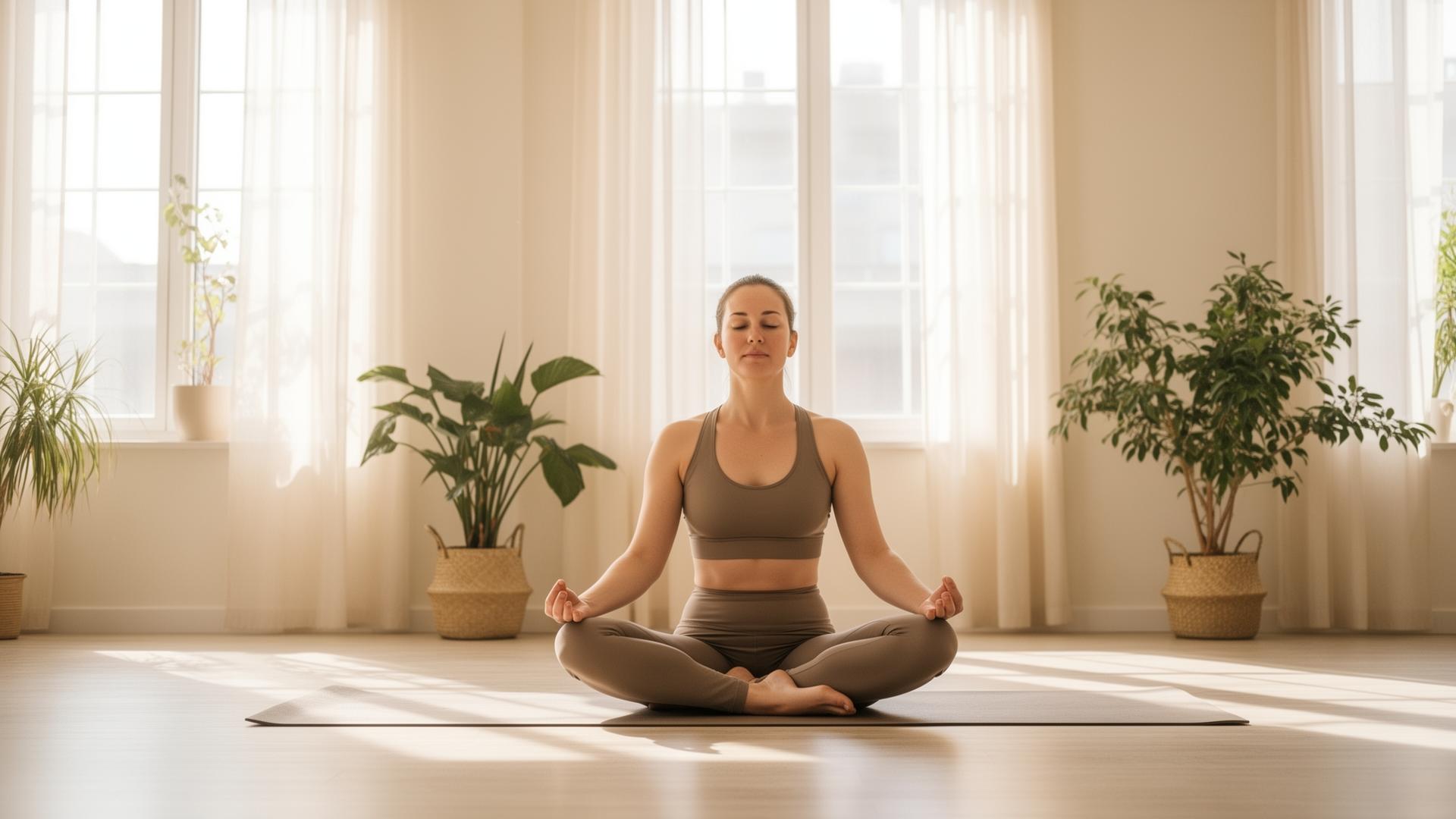
What is Wellness?
Wellness is the pursuit of well-being, the intentional alignment of body, mind, and spirit to live with more vitality, awareness, and clarity. It's deeply personal. It's continuous. And it's growing.
According to Global Wellness Institute, by 2028, the global wellness industry is expected to reach $9 trillion.
What is a wellness business?
Whether you're a massage therapist, life coach, nutritionist, or yoga teacher — you're in the business of offering something personalized. Something that supports someone's journey toward wholeness. Your product isn't just a class or a session. It's a connection.
Imagine stepping into a private yoga session. You wouldn't teach every student the same sequence, in the same way, with the same tone. You watch how they breathe, how they move, what they need today. You adapt. You personalize.
Massage therapists do the same. A client comes in with low back pain, as a therapist, you don't follow a script, you listen through your hands. Coaches, too, tailor every conversation to the person sitting across from them. If we gave everyone the same advice, we'd sound like machines, efficient, perhaps, but soulless.
What makes wellness work is connection. What makes connection possible is personalization.
The deeper truth is that personalization requires a wealth of education, embodied experience, and intuition. To personalize wisely, you must draw from a deep well of learning. The wider your knowledge, the more precisely you can respond to the person in front of you. This is what makes the spiritual entrepreneur different from the influencer or the trend follower: personalization rooted in understanding, not algorithms.
And yet, personalization isn't only about one-on-one sessions. It's becoming the foundation of the new wellness economy. People no longer want generic advice, they want guidance that feels like it was made for them. They want products, programs, and experiences that honor their individuality while connecting them to something greater.
Take Ritual, the supplement brand that designs vitamins based on life stage, gender, and dietary habits. Each clear capsule is minimalist yet purposeful — you see the golden oil suspended inside, a small daily ritual that feels designed for you. It's not just about nutrients; it's about belonging to your own rhythm of care.
These small acts of personalization build loyalty because they build meaning. People return not because they need another product, but because they feel seen.
In the same way, yoga studios and wellness spaces can infuse personalization into simple details. Name tags that help teachers remember students' names. Staff who greet clients personally, using their names in conversation. Research shows that when someone hears their name three times in an interaction, it imprints deeply recognition becomes connection.
In the digital wellness world, personalization takes new forms. Platforms like Oura, Apple Fitness, and Peloton bring individual metrics into the feedback loop, guiding users based on sleep, recovery, and readiness. These systems create a bridge between data and embodiment, helping users recognize patterns they might never have seen on their own.
Still, not everyone resonates with digital tracking, and that's okay. Conscious personalization honors diversity, both technological and human. The goal isn't to quantify everything, but to cultivate awareness.
Personalization also thrives in services, where transformation happens through interaction. As consumers move deeper into wellness, they don't just buy products, they seek experiences that guide and educate them. A yoga student attending a workshop might realize they need one-on-one alignment support. A visitor to a thermal spa might crave not just relaxation, but a guided exploration of the springs' history and healing properties.
Over time, these experiences evolve into ecosystems. Spas now offer a full spectrum of treatments, hot stone, lymphatic drainage, sound healing, Reiki, myofascial release. Coaches expand from one-on-one sessions to group journeys, business mentoring, or women's leadership circles. This expansion is not about doing more; it's about serving better, reaching people where they are.
Peloton illustrates this beautifully, blending product, service, and community. It's not just a bike; it's a personalized gateway into motivation, metrics, and belonging. You can ride alone but feel part of something bigger. This blurring of lines, between physical and digital, individual and collective, defines the next evolution of the wellness economy.
As spiritual entrepreneurs, our task is to see this shift not as a threat to authenticity but as an invitation to depth. The more personal we make our offerings, in yoga, coaching, wellness, or tech, the more human they become.
Personalization, at its essence, is care made visible.
It's a way to say that, I see you and your need and I've prepared this for you. I want this to work for you.
And that, in a world of mass production and automation, is the most radical act of caring.
But here's the tension: If your business is built on personal presence… how do you scale your business as you only have 24 hours a day.
We're not the first to ask this. But most answers have been incremental: you can offer online if you teach yoga, pilates, or automate scheduling….
However, we must address the elephant in the room with this question: How do you scale care, wisdom, and emotional intelligence?
That question became the seed of Conscious Flow.